In-person Testosterone Blood Test

We recommend you use either your GP or a UK based clinic for a blood test to start your TRT journey.

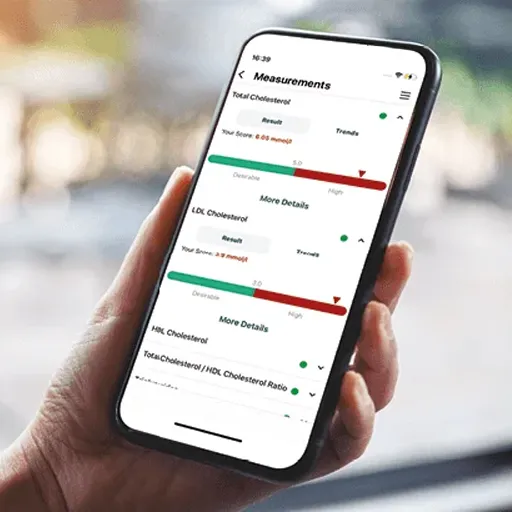
We require the following biomarkers to be checked including
  • Testosterone
  • Oestradiol
  • Follicle Stimulating Hormone
  • Luteinising Hormone
  • Sex Hormone Binding Globulin (SHBG)
  • Free Testosterone
  • Albumin
  • Full Blood Count
  • Heart Health
  • Liver Health
  • Kidney Health
  • Thyroid Health
  • Total Prostate Specific Antigen
Take the next step on your TRT journey with an in-clinic enhanced blood test.
We accept test results from any reputable lab or your GP as long as they include all the biomarkers we ask for. You can email us for a full list of biomarkers we need at [email protected]
If you have not yet done an at-home blood test you will need to perform an at-home testosterone blood test first.

Who is this test for?

Low testosterone affects up to 1 in 4 men, yet the majority remain untreated, often unaware of the impact it has on their health and quality of life.

Reduced Energy Levels
Low testosterone can lead to persistent fatigue and decreased motivation, making everyday activities feel more exhausting.
Decreased Muscle Mass
Men with low T may experience a reduction in lean muscle mass, making it harder to maintain strength and physical fitness.
Weight Gain
Hormonal imbalances can lead to increased body fat, particularly around the abdomen, contributing to weight gain.
Erectile dysfunction
Low T can contribute to difficulties in achieving or maintaining an erection, further complicating intimate relationships.
Mood Changes
Low testosterone is linked to mood swings, irritability, and increased feelings of anxiety and depression, affecting overall mental well-being.
Poor sleep
Low testosterone can disrupt sleep patterns, leading to difficulties falling asleep or staying asleep.
Cognitive Decline
Some studies suggest low testosterone may affect cognitive functions, leading to difficulties with memory, concentration, and overall mental clarity.
Decreased Libido
Many men report a significant drop in sexual desire and interest, which can impact relationships and overall quality of life.
Bone density loss
Low testosterone is associated with decreased bone mineral density, increasing the risk of osteoporosis and fractures over time.

The biomarkers tested

We test 8 key biomarkers that can affect your hormone levels, overall health, and influence your testosterone production and balance.

  • Testosterone
  • Sex Hormone Binding Globulin (SHBG)
  • Free Testosterone
  • Luteinising Hormone (LH)
  • Oestradiol
  • Prolactin
  • Follicle Stimulating Hormone (FSH)
  • Albumin

How it works

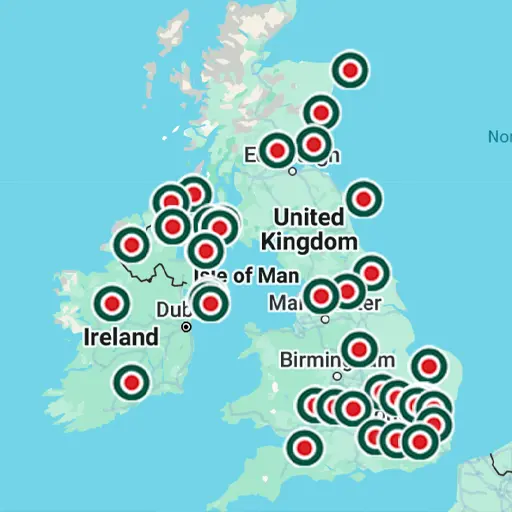
Simply checkout and you will receive a link to book an appointment at a Randox clinic near you.

Find a clinic near you
at home blood test
Step 1.
Book your test
Purchase our in-person testosterone test and you recieve a link to book your test at a location that suits you.
at home blood test
Step 2.
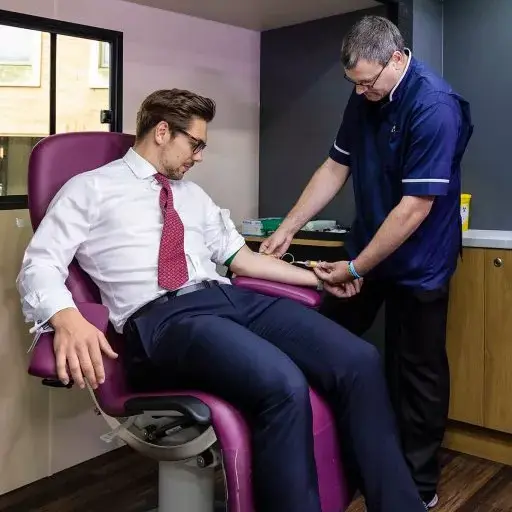
Attend the clinic
Attend your in-person appointment at your chosen location which will take no longer than 30 minutes.
at home blood test
Step 3.
See your results
Receive your detailed results online, along with expert guidance on the next steps for your health and TRT journey.

What can I expect from testosterone replacement therapy

Testosterone therapy is a step-by-step process, if you are eligible for treatment we will have you back to your old self in no time.

Muscle mass
Avearge gain of 5kg in lean body mass after 10 weeks of TRT
Weight loss
Men undergoing TRT experienced a decrease in fat mass by approximately 3kg
Energy
TRT can improve energy levels compared to low testosterone individuals
Libido
TRT significantly enhanced sexual activity and libido
Sleep
TRT can improve sleep quality by helping with symptoms such as fatigue and mood disturbances
Mood
TRT helps with well-being, while reducing negative emotions like anger, nervousness, and irritability

Starting TRT

It's easy to get started, you can do it from the comfort of your own home.
at home blood test
Step 1.
At-home blood test
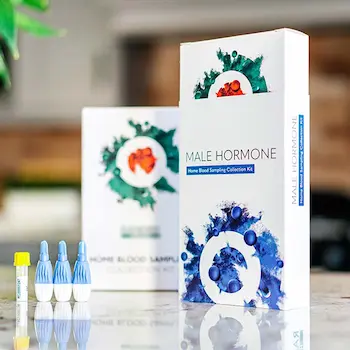
Receive your blood test and perform it at home. This will measure your testosterone.
at home blood test
Step 2.
Venous blood test
A more thorough venous blood test is needed to confrim your low testosterone diagnosis. It will also help us assess if you can safely start treatment.
at home blood test
Step 3.
Speak to an expert
Discuss your results with our in-house expert, who will also discuss your treatment plan and what to expect.
at home blood test
Step 4.
Start your treatment
Receive your treatment plan in the post and be on the way to a healthier, stronger you.

Frequently asked questions

    I am already with a provider can I swap?
    Yes, you can swap over, simply send your latest prescription and blood test results (in a PDF) to the email with the subject "Swapping TRT Provider" to [email protected]. One of our clinicians will then be in touch to discuss the next steps.
    I have previously had a blood test are you able to use these results?
    Yes, you can the results from a previous blood test provided the test was done in the last 6 months. Send the results with the subject "TRT Blood Test" to [email protected]. One of our clinicians will then be in touch to discuss the next steps.
    What are the symptoms of low testosterone?
    Low testosterone can lead to symptoms like fatigue, low sex drive, erectile dysfunction, depression, and decreased muscle strength.
    Is testosterone replacement therapy safe?
    Testosterone replacement therapy is safe when you are treated and monitored by an expert healthcare professional.

    However, like any treatment, it’s not risk-free. Common side effects can include acne, changes in mood, and mild fluid retention. In rare cases, TRT may increase the risk of blood clots or sleep apnea.

    The risk of these side effects can be reduced with careful monitoring that's why it is crucial to work with a healthcare provider who can tailor the treatment to your needs and monitor your progress regularly, ensuring safety and effectiveness.

    If you are given any treatment by our prescriber, you will be constantly monitored throughout and help will be on hand if you have any concerns.
    Does testosterone replacement therapy cause hair loss?
    It can contribute to hair loss in some men, especially those who are genetically predisposed to male pattern baldness. Testosterone can convert to a hormone called dihydrotestosterone (DHT), which can affect hair follicles and lead to thinning hair or balding in genetically susceptible individuals. However, not all men on TRT experience hair loss, and the effects can vary.
    How soon will the initial test arrive and when will I get my results?
    The at home blood test will usually be with you in 2-3 working days. You will then receive your result a few days after.
    Why do I need to do two blood tests?
    The second test is needed to confirm the first tests results, as testosterone levels can naturally fluctuate, a second test is needed to prove the first test was not a one off.
    How long does it take to work?
    The length of time it takes to see a difference from testosterone replacement therapy varies from person-to-person and depends on the formulation you have chosen. Generally the quickest and best results are seen from injectable testosterone.

    Injectables: Many men begin to notice improvements within 2-4 weeks. Energy levels and mood are often the first to improve, while physical changes, like muscle mass and strength, may take a bit longer, often around 6-12 weeks. Maximum benefits are typically seen around 6 months.

    Gels and creams: Gels are absorbed more gradually, so effects can take a bit longer to show. Most men start feeling some changes in energy and mood after 2-4 weeks, but physical improvements may take up to 3-6 months. Consistency in application is key for steady hormone levels.